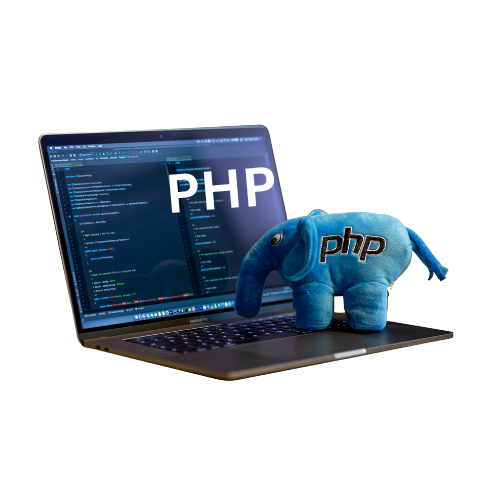
Description
PHP can perform a variety of tasks that enhance web applications. It is capable of:
- Dynamic Content Creation: PHP scripts can generate HTML content dynamically based on user interactions or database queries.
- Database Interaction: PHP can connect to various databases (like MySQL, PostgreSQL) to store and retrieve data.
- Session Management: It can manage sessions and cookies to maintain user state across different pages.
- File Handling: PHP can read from and write to files on the server, allowing for file uploads and downloads.
- Form Handling: It processes form data submitted by users through GET or POST methods.
Setting Up Your Development Environment
To start coding in PHP, you need a suitable development environment. Here are the steps:
- Install a Web Server: You typically need a web server like Apache or Nginx to run PHP scripts.
- Install PHP: Download and install the latest version of PHP from the official PHP website.
- Set Up a Database: If your application requires data storage, set up a database like MySQL or SQLite.
- Use Docker (Optional): For more advanced setups, consider using Docker to create isolated environments that mimic production servers.


Reviews
There are no reviews yet.