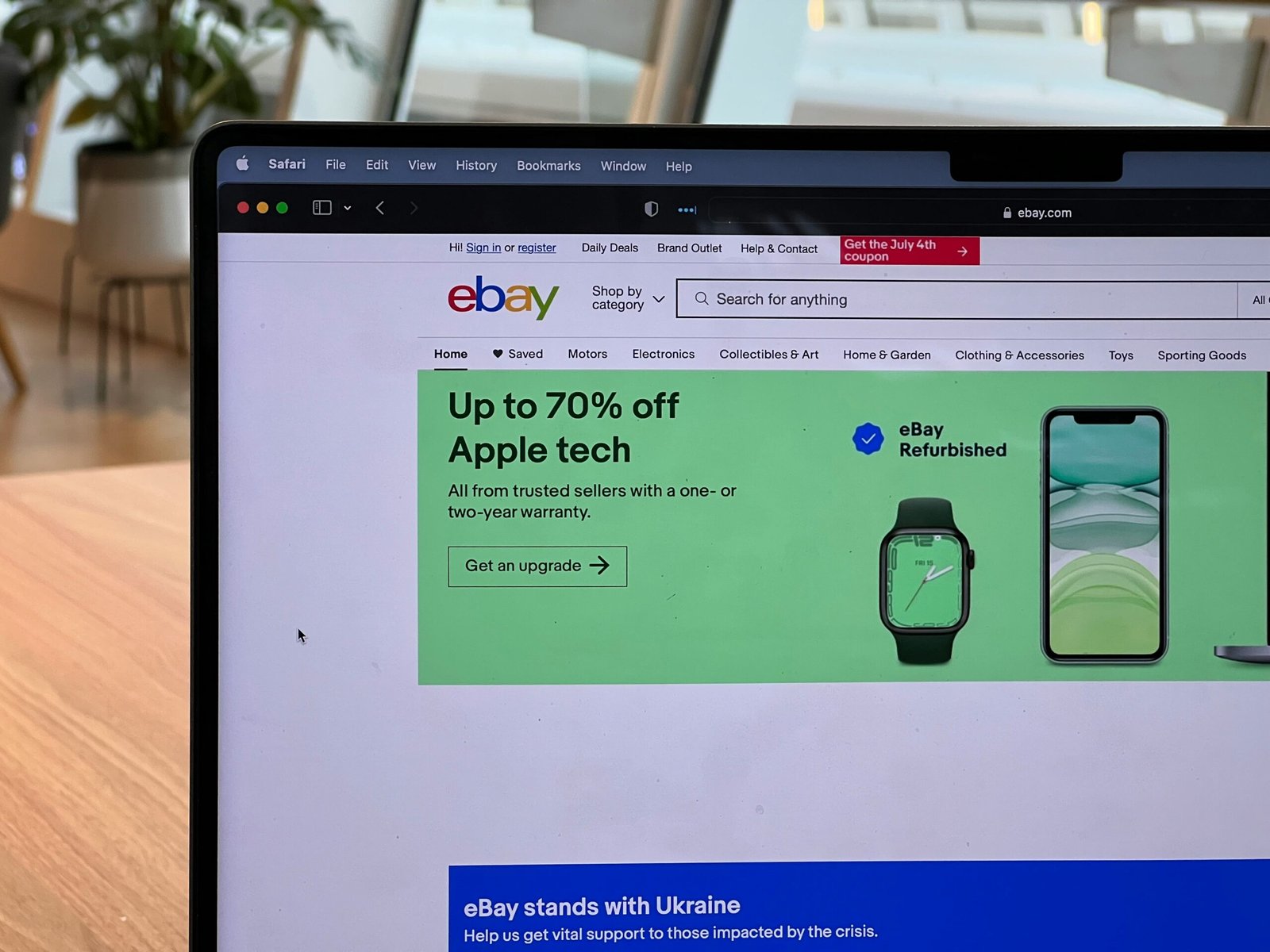
Description
A programmer should learn how to clone eBay because it provides invaluable experience in building a multi-vendor e-commerce marketplace, encompassing complex features like user management, product listings, secure payment processing, and diverse monetization strategies, all of which are highly sought-after skills in the tech industry. This process offers a deep dive into the architecture of scalable online platforms, preparing developers for a wide range of real-world applications.
Understanding the E-commerce Ecosystem
Cloning eBay requires a programmer to grasp the intricacies of a multi-vendor marketplace. This includes designing and implementing features for different user roles: buyers, sellers (vendors), and administrators.
- User App Development: Programmers learn to create intuitive interfaces for buyers, incorporating features such as social login, product exploration, search functionality, profile management, order history, reorder options, and multiple payment gateways (credit/debit cards, e-wallets, net banking, P2P transactions).
- Vendor Panel Development: This involves building tools for sellers to manage their storefronts, upload and manage products, track inventory, process orders, and even create banner advertisements. This exposes developers to the business-to-consumer (B2C) and consumer-to-consumer (C2C) aspects of e-commerce.
- Admin Panel Development: Programmers gain experience in creating administrative dashboards for managing users, vendors, product listings (including approval workflows), commission rates, analytics, and review moderation. This provides insight into the operational control required for a large-scale platform.
Technical Skill Development
The process of cloning eBay necessitates the application and enhancement of various technical skills.
- Database Design and Management: Handling vast amounts of data, including user profiles, product information, transaction records, and order histories, requires a solid understanding of database architecture and optimization.
- API Integration: E-commerce platforms rely heavily on integrating with third-party services for payments, shipping, and potentially other functionalities. Programmers learn to work with APIs, such as those offered by eBay itself for developers, to create listings, manage inventory, and handle buying tasks.
- Security Implementation: Protecting sensitive user and financial data is paramount. Developers learn to implement robust security measures, including secure payment gateways, user authentication, and data encryption.
- Scalability and Performance: Designing a platform that can handle millions of users and transactions requires knowledge of scalable architectures and performance optimization techniques.
- Front-end and Back-end Development: A full-fledged e-commerce platform demands expertise in both front-end technologies (for user interfaces) and back-end languages and frameworks (for server-side logic, database interactions, and API handling).
Business Model and Monetization Strategies
Understanding how an e-commerce platform generates revenue is crucial for any developer aiming to build successful applications. Cloning eBay exposes programmers to various monetization models:
- Commission-based Revenue: Learning to implement a system where the platform earns a percentage of each successful transaction is a core aspect.
- Advertising Models: This includes banner advertising for sellers and third-party advertisements, requiring the development of ad management systems.
- Featured Listings and Subscriptions: Implementing features where sellers pay for increased visibility or premium services (like store subscriptions) provides insight into diverse revenue streams.
- Auction Mechanics: eBay’s unique auction model, including bidding systems and fixed-price listings, offers a distinct challenge and learning opportunity in transaction logic.
Strategic Thinking and Differentiation
Beyond technical implementation, cloning eBay encourages strategic thinking about market positioning and competitive advantage.
- Niche Market Identification: While replicating core functionalities, developers learn the importance of differentiating their platform by targeting specific niches, as seen with successful eBay-like platforms focusing on fashion (Poshmark, Depop) or local transactions (OfferUp).
- User Experience Optimization: The exercise emphasizes the importance of a seamless and user-friendly experience for both buyers and sellers to attract and retain users.
- Continuous Evolution: Observing eBay’s own evolution from an auction-only platform to a comprehensive marketplace highlights the need for adaptability and continuous feature development, including incorporating trends like AI for recommendations and multi-language support.
In conclusion, learning to clone eBay is not just about copying an existing application; it’s about mastering the principles of building, operating, and monetizing a sophisticated online marketplace. This experience equips programmers with a versatile skill set applicable to a wide array of digital product development roles.





Reviews
There are no reviews yet.