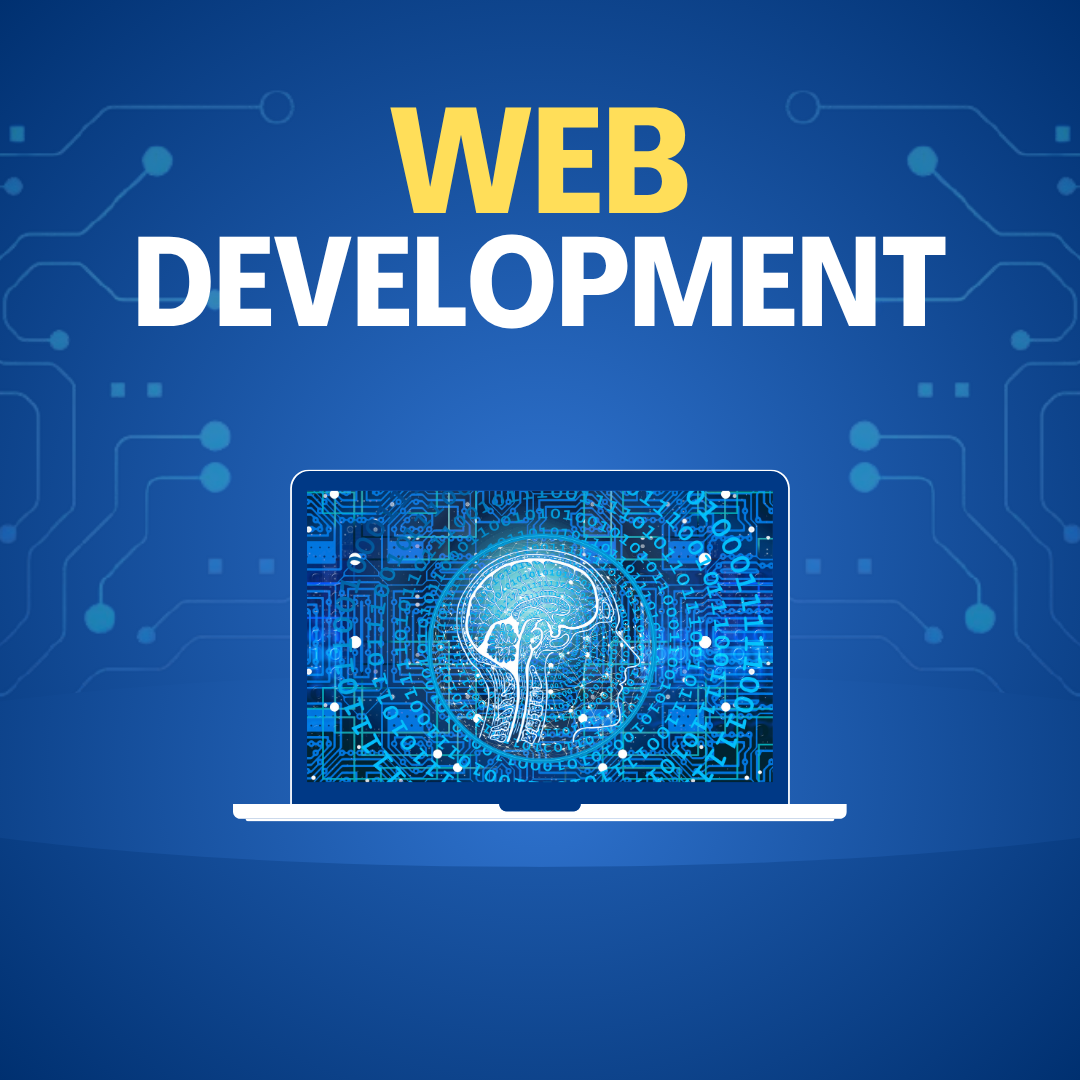
Description
The core of web development relies on fundamental programming languages and technologies. HTML (Hypertext Markup Language) provides the structural foundation of web content, defining elements like headings, paragraphs, and links. CSS (Cascading Style Sheets) is responsible for the visual presentation and layout, controlling aspects such as colors, fonts, and responsiveness across different devices. JavaScript adds interactivity and dynamic behavior to web pages, enabling features like animations, form validation, and user engagement. Beyond these foundational client-side technologies, web development also involves server-side programming languages, databases, and APIs to manage data, process requests, and ensure overall application functionality.
Web development is broadly categorized into three main specializations: front-end, back-end, and full-stack development.
- Front-End Development: This area focuses on the client-facing side of a website, which users directly see and interact with. Front-end developers are responsible for the user interface (UI) and user experience (UX), translating design concepts into functional and visually appealing web pages. Key technologies include HTML, CSS, and JavaScript, along with frameworks like React, Angular, and Vue.js. Responsive design is a crucial aspect, ensuring websites adapt to various screen sizes and devices.
- Back-End Development: This involves the server-side logic, databases, and application functionality that operate behind the scenes. Back-end developers build and maintain the infrastructure that allows a website to function, handling data storage, user authentication, and server configurations. Popular server-side languages include Python, PHP, Ruby, Java, Node.js (JavaScript), C#, and Go. Database management is also a critical component, utilizing systems like MySQL, PostgreSQL (relational), and MongoDB, Cassandra (NoSQL) to store and organize data.
- Full-Stack Development: A full-stack developer possesses expertise in both front-end and back-end technologies, enabling them to manage all aspects of web application development from start to finish. They understand the entire software stack, including the client-side, server-side, and database components. Popular full-stack technology stacks include MEAN (MongoDB, Express.js, Angular, Node.js) and MERN (MongoDB, Express.js, React, Node.js).
The web development lifecycle typically involves several stages: analysis, planning (sitemap and wireframe creation), design and layout, content creation, development, testing, review, launch, and ongoing maintenance and updating. Methodologies like Agile, with its emphasis on iterative development, collaboration, and adaptability, are commonly employed in web development projects. Security measures, such as encryption, secure coding practices, and regular audits, are paramount to protect against cyber threats like SQL injection and cross-site scripting (XSS).


Reviews
There are no reviews yet.